About the lab

A small lab that says what it actually is.

An independent innovation, research and development lab in Miami, working across technology, science, and medical engineering. It is new, it is small, and this page does not pretend otherwise.

Founded2026 LocationMiami, FL
StageForming Team1
StructureFL nonprofit · for-profit subsidiary for devices
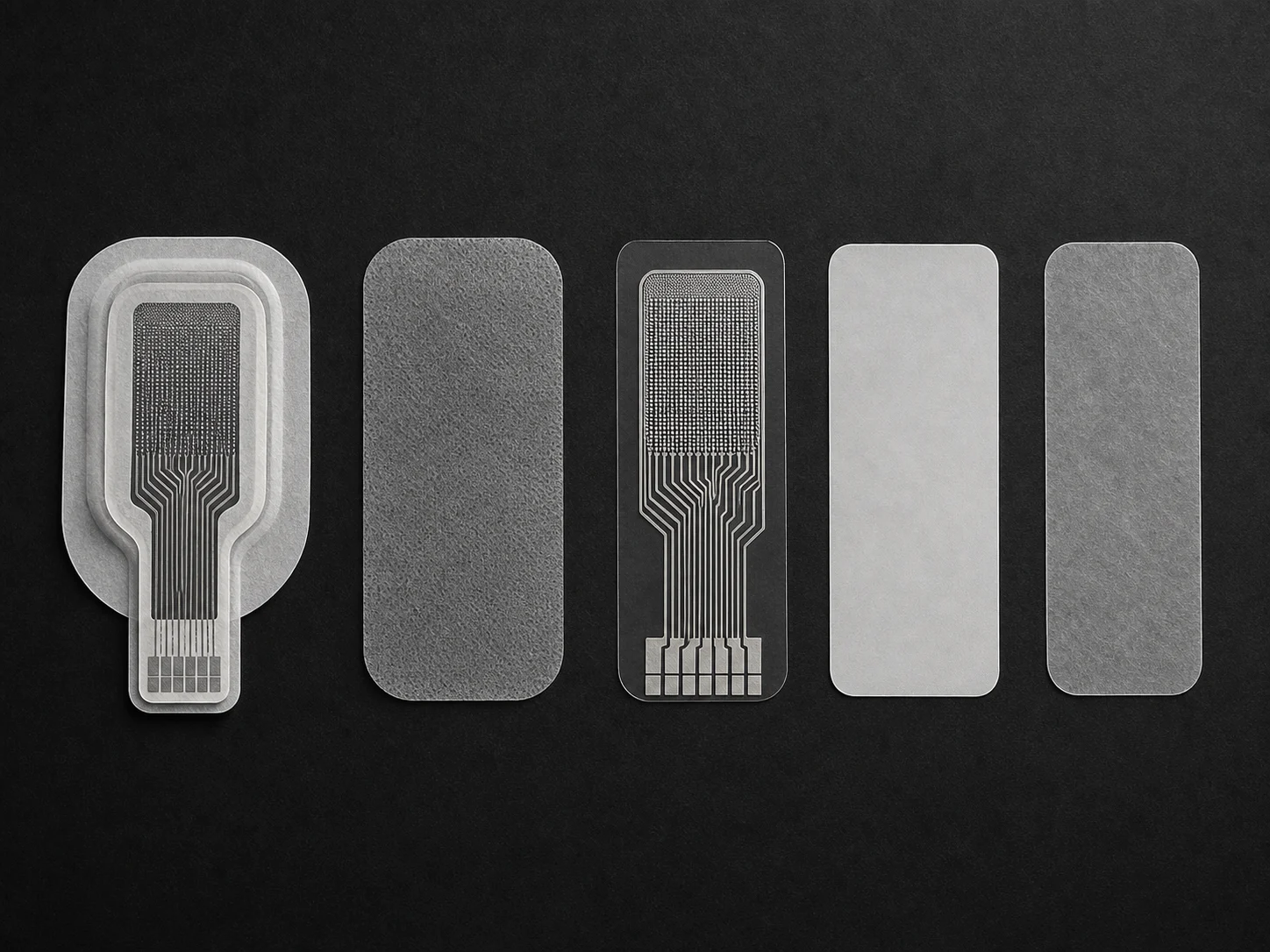
Flat-lay of a flexible sensor patch beside its separated construction layers — membrane, interdigitated electrode array, substrate and backing.

FIG. A Sensor layer study. Concept — not a built prototype.

01Why it exists The gap it was formed to work in

Clinical teaching and instrument design almost never meet

The people who understand most deeply how the body fails are usually teaching it, not building the tools that measure it. The people building the tools are usually excellent engineers who have never stood in a dissection lab explaining why a particular compensation mechanism runs out.

This lab exists in that gap. It was formed by an anatomist rather than an engineer, which is unusual and is the entire point — it means the questions come from the clinical side and the engineering gets recruited to answer them, rather than the other way round.

It is generalist deliberately. Across technology, science, and medical engineering, the same kind of blind spot recurs: something clinically decisive that nothing convenient measures. A lab organised around noticing that is not restricted to one field.

02Who runs it One person, stated as one person

Panisse Maurice Padilla

Biomedical educator. Thirty-one years teaching human anatomy and physiology — currently adjunct faculty in Biology at Miami Dade College, and gross anatomy instructor for practising healthcare professionals at the M.A.R.C. Institute in Doral.

MS in Biomedical Sciences, UMDNJ Graduate School of Biomedical Sciences. Member of the American Association of Anatomists and the American Physiological Society. He is not a licensed physician and does not practise clinically.

The lab is currently one person. That is a real constraint on what it can take on, and it is why the capability table separates what is established from what is still being built.

Full profile

03What the lab holds itself to Four rules, applied to this website too
Stage, not spinEvery project is described at the stage it has actually reached. Most of this lab's work is early, and the site says so.
Gaps stated as gapsCapabilities the lab does not have are listed as absent rather than omitted. A capability list that only lists strengths is marketing.
Public or confidential, never blurredOpen work is released properly. Confidential work is acknowledged and not described. Nothing sits ambiguously between the two.
Results either wayValidation gets published whichever direction it goes. A lab that only reports what worked is not reporting.

These are easy to write and harder to keep. They are on this page so that they can be held against the lab later.

04Independence and structure Plainly

Independent, and structured around the mission

The lab is independent. It is not a department of a university or a hospital, and no institution directs its research agenda. Cadaveric work happens on contract, within the donor programme and governance of the host facility — a partnership, not an ownership.

The lab is being formed as a Florida nonprofit. Research, education and open work sit there. Where a device reaches the point of being patented and commercialised, it is intended to run through a for-profit subsidiary owned by the nonprofit, so that commercial returns flow back to the mission rather than away from it.

Entities not yet incorporated · names pending